The Shift Toward Purposeful Spending
The old formula fast, cheap, easy is starting to crack. Shoppers aren’t just comparing prices anymore; they’re looking at purpose. Questions like “Who made this?”, “What’s it made of?”, and “What happens to it when I’m done?” are shaping buying decisions. It’s less about guilt and more about alignment. People want their purchases to reflect their values, not contradict them.
Sustainability has moved from the sidelines to the center. Whether it’s Gen Z skipping brands that greenwash, or parents putting a stop to single use plastics, the shift is happening across demos. A product that’s fast and affordable but pollutes? That’s a harder sell now. Eco doesn’t always have to mean perfect but now it has to mean something.
This isn’t a marketing moment it’s a mindset shift. The demand for responsible commerce is here for the long haul. Brands that treat it like a trend will lose ground to the ones that build it into their foundation.
Trend 1: Greener Packaging Solutions
One box, one decision: how much waste goes out with every order? Brands are asking that question more often and acting on it. Compostable mailers, recyclable fillers, and minimalist packaging are becoming the norm, not the fringe. Even luxury brands are trading glitz for impact, choosing clean designs with lower carbon footprints over glossy layers of plastic.
The trade off between cost and carbon is real but priorities are shifting. More businesses now treat eco packaging as a brand loyalty play rather than just a shipping expense. When customers unbox with less guilt, they come back more often.
And what do the numbers say? A 2023 PackVoice survey showed that 61% of consumers say sustainable packaging influences their purchase decisions. More than half are willing to pay a premium for it. Smart brands are leaning in, not only to reduce waste, but also to create lighter, smaller shipments that cut logistics costs too. Turns out, green and lean work hand in hand.
Trend 2: Carbon Neutral Logistics and Delivery
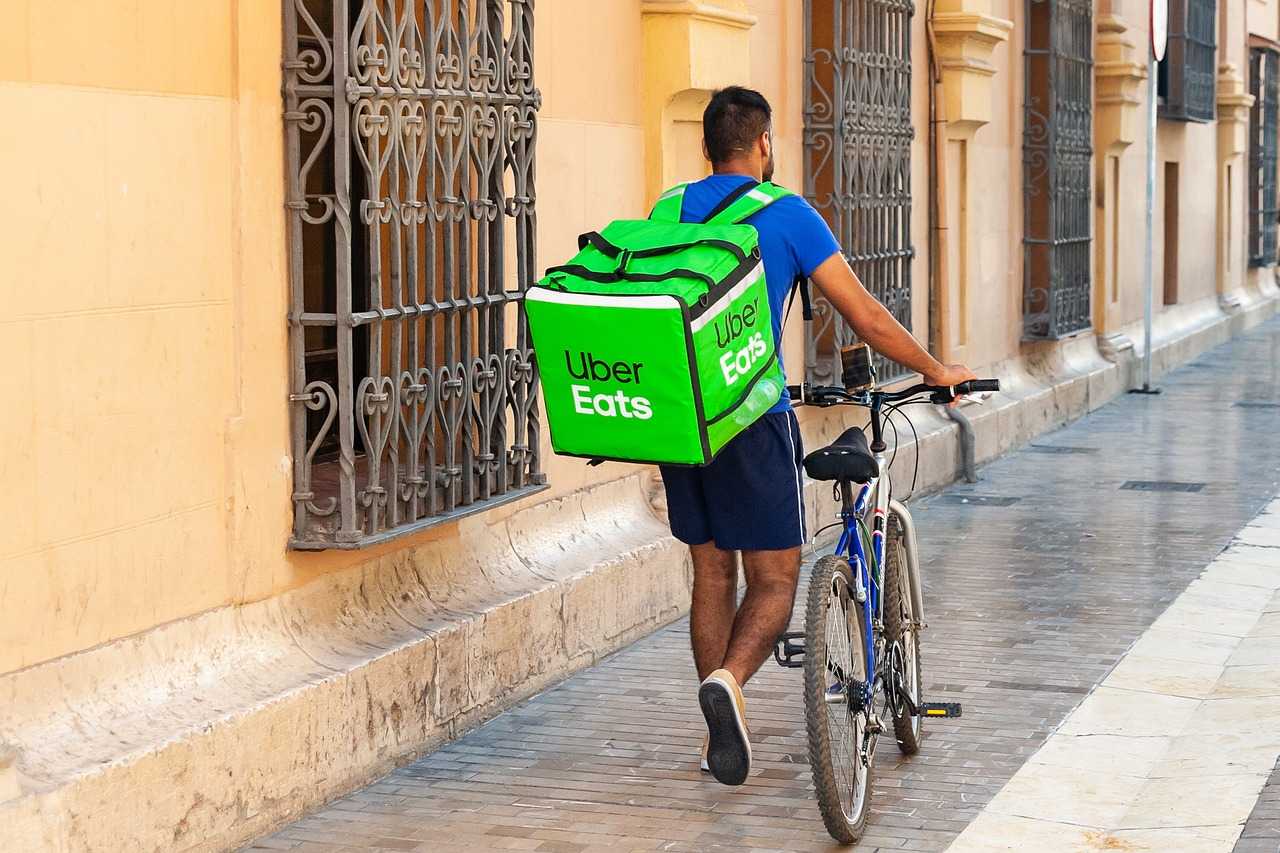
Shipping is no longer treated as a separate line item in sustainability talks it’s front and center. With consumer pressure mounting and climate pledges piling up, more brands are locking in carbon offset programs as the bare minimum. Offsets aren’t a feel good extra anymore. They’re table stakes.
To cut deeper into emissions, retailers are rethinking logistics from the ground up. Local fulfillment hubs are popping up closer to high demand zones, shrinking last mile delivery distances and the carbon drag that comes with them. Fewer miles, fewer trucks, less waste.
Then there’s the fleet. Electric vans and bikes are rolling out in urban centers, while some brands are even nudging customers toward slower shipping to reduce environmental cost. It’s a trade: speed vs. sustainability. More shoppers are willing to wait if the payoff is a clearer conscience.
In 2024, how your product gets to someone’s doorstep matters just as much as what’s inside the box.
Trend 3: Circular Commerce on the Rise
The old buy use discard cycle is falling apart. In its place, circular commerce is gaining traction fast. Rentals, refills, and re commerce platforms aren’t just niche options now they’re becoming part of the mainstream shopping experience. From renting high end wardrobes to refilling home cleaning supplies, consumers are looking for smarter ways to consume without the waste.
Brands are catching on. Take back programs and in house resale platforms are being built directly into e commerce flows. This isn’t about adding another checkbox at checkout it’s about completely rethinking product lifecycles. Patagonia, IKEA, and Levi’s are already moving there, building secondhand directly into their funnels instead of outsourcing it.
At the core, this shift signals something deeper: a realignment of consumer values. Shoppers are choosing products that last, mean something, and leave a lighter footprint. It’s quality over quantity and not just for planet points. People want better things, fewer things, and brands that get that will win.
Trend 4: Transparent Sourcing and Production
Today’s buyers aren’t just scanning for low prices they’re asking where each item came from, who made it, and whether it was produced fairly. They want accountability, and they’re backing brands that provide it. This isn’t a surface level preference anymore; it’s a dealbreaker. A vague “ethically made” label won’t cut it. Consumers want receipts.
That’s why more companies are pulling back the curtain on their supply chains. Some are mapping their suppliers down to the raw material level. Others are launching online dashboards where shoppers can click and see the full production story, factory to doorstep. It’s not just about feeling good it’s about building hard trust in a skeptical market.
Certified sourcing is also front and center. Whether it’s Fair Trade, organic cotton, or B Corp status, third party verification is becoming a go to trust signal. In 2024, transparency isn’t a nice to have it’s a strategic lever. Brands that ignore it? They’re being left behind.
Takeaway for E commerce Brands
Sustainability isn’t a bonus anymore it’s the baseline. Customers don’t just care what you sell they care how you make it, ship it, and stand behind it. They’re picking brands that align with their values, and they’re willing to stay loyal if those values are reflected consistently.
For ecommerce brands, this isn’t about slapping a green label on your site. It’s about baking sustainable thinking into your operations materials, logistics, returns, customer service, the whole thing. That’s how you build trust that lasts longer than a seasonal promotion or ad cycle.
The brands pulling ahead in 2024 are those treating eco friendly practices not as marketing, but as infrastructure. Whether it’s through carbon offsets, closed loop packaging, or clean sourcing, the message is clear: do the work, or get left behind.
To dive deeper into real world examples and implementation tips, check out more on eco friendly commerce.