Furniture shopping has always asked people to imagine the future. A chair in a store must be pictured in a living room. A table on a screen must be imagined under real light. This mental work is often where disappointment begins. When imagination fails and trust falls.
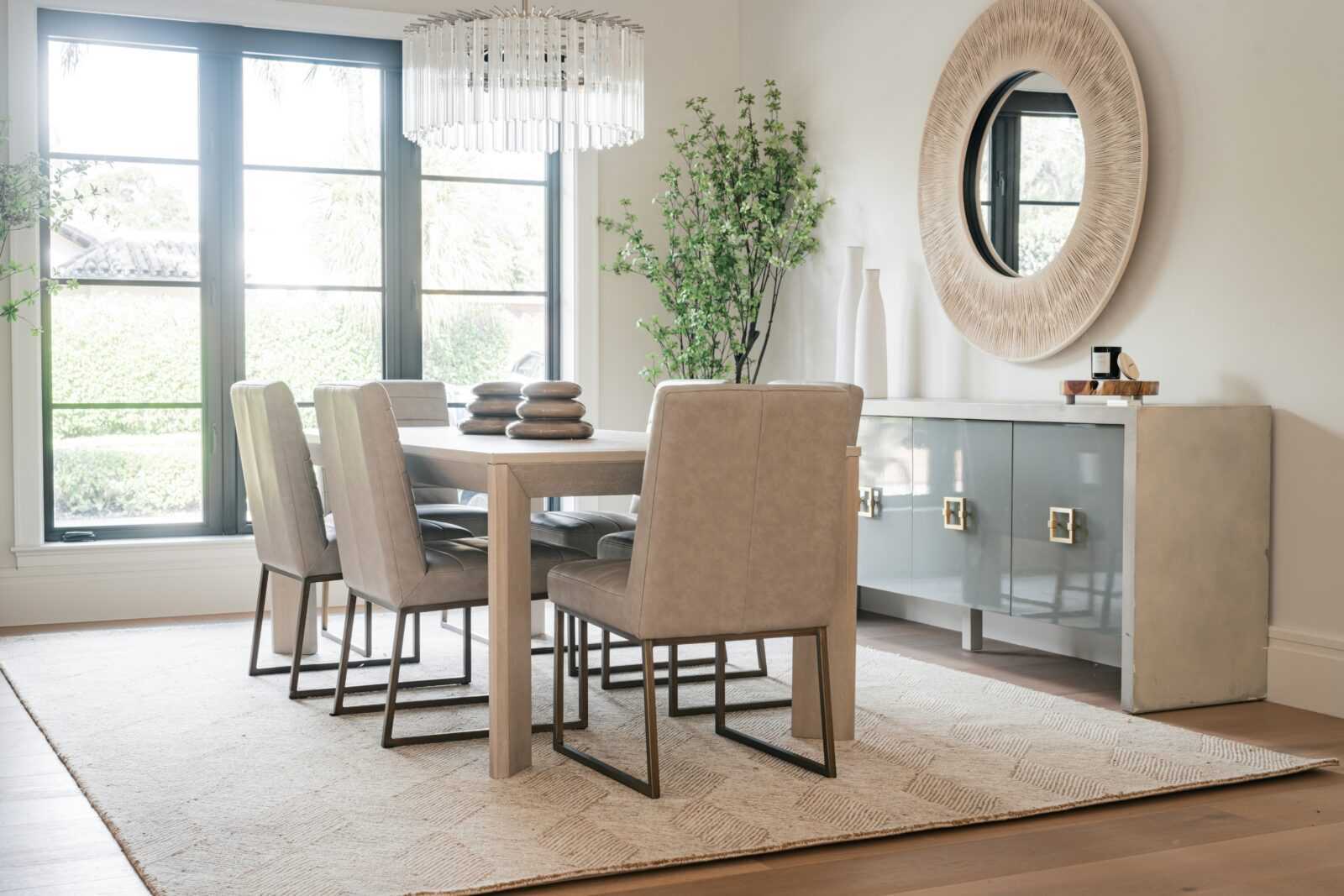
Now a quiet shift is taking place. Virtual showrooms and 3D visualization are removing guesswork from the process. Instead of trying to picture how furniture might look, shoppers are stepping into digital rooms where ideas become visible. The act of buying furniture is no longer just a transaction. It is becoming a form of discovery.
When shopping feels like walking through a home
Old online stores show furniture as products. New virtual showrooms show them as parts of a living space. This difference changes everything.
A virtual showroom is not a page filled with boxes and prices. It is a room with depth, light, and layout. Sofas sit against walls. Lamps glow beside chairs. Tables hold imaginary cups of coffee. Shoppers move through these spaces just as they would in a real store, but with greater freedom.
This creates a sense of scale that photos cannot offer. A couch is no longer just “three seats wide.” It feels large or small based on how it fits in the room. A bookshelf feels tall or short next to a window. These visual clues guide better decisions without using a single measurement.
Seeing furniture instead of guessing
At the heart of this new experience is 3D product rendering, which turns furniture into detailed digital models that behave like real objects. They catch light and reveal texture. The fabric looks soft or firm. Wood shows its grain. Metal reflects or absorbs light.
These details are not decoration. They are information. When a shopper sees how a material reacts to light or how edges are shaped, it becomes easier to trust what is being bought. The item stops being a promise and becomes something close to a preview of reality.
A new way to customize space
Virtual showrooms are not just about viewing. They are about changing.
A sofa can switch from beige to blue in a second. Legs can become wood or metal. Cushions can grow or shrink. What once required visiting several stores now happens inside one digital room.
This turns furniture shopping into a creative process. People are no longer limited to what is on the floor. They can shape a piece to fit their style and space. The home begins to take form before anything is delivered. That sense of control makes the final choice feel personal, not rushed.
Where digital and physical meet
Physical furniture stores are not disappearing. Instead, they are evolving.
Most of the shops have turned to screens or tablets to display entire collections that cannot be offered on the floor. Even an out-of-stock chair can be viewed in 3D. A table in a different finish can be viewed instantly.
At home, that same model can be placed into a digital version of the living room. The journey from store to screen becomes smooth and connected. This blend of real touch and digital sight removes much of the doubt that once surrounded big purchases.
Fewer mistakes, more confidence
One of the highest costs in furniture sales is returns. Many of them happen because the item simply did not look right in the space. Virtual showrooms change this.
When people see how furniture fits before it arrives, mistakes become rare. The result is fewer wasted deliveries and less frustration. But more than that, it builds trust. When what arrives matches what was seen, confidence in the brand grows.
Making shopping social again
Future virtual showrooms will not be quiet places. They will be shared spaces.
Friends and family members will be able to enter the same digital room and move furniture together. A couch can be debated. A color can be voted on. Decisions become shared, not lonely.
Design experts may also appear in these rooms, offering advice just like in a physical store. This mix of human help and digital freedom makes the experience feel both modern and warm.
What comes next
As devices become more powerful, virtual showrooms will become more natural to use. Phones and smart glasses will allow furniture to appear directly inside real rooms. A dining table could stand on a real floor, seen through a screen.
This means homes can be designed before they are filled. Tests can be carried out on the rooms to make them feel right. The future of furniture shopping will not be so about risk; rather, it will be more about being clear.
Conclusion
Virtual showrooms and 3D visualization are not just new tools. They are changing how people think about their homes. Instead of guessing, they can now see. Instead of hoping, they can test.
Furniture shopping is becoming a journey where imagination meets reality long before delivery day. In this new world, the home does not begin with a box at the door. It begins in a digital room, where every idea has a place to stand.