Other games could take notes!
Rainbow Six Siege has been going strong for a whopping 10 years – which is not a number to scoff at! Many gamers (who haven’t played the game, mind you) have asked the question, “How do they do it?”. Well, there are many secrets to its success that we will unearth in this article to see how they remained relevant all these years later.
Once you’re done reading this article, surely you will feel pumped enough to dive into some matches. If you do, you might as well get in matches with people that play at your level. To skip the rank grind, you should get Rainbow Six Siege rank boosting. Get where you want in no time!
The Early Days: A Rocky Start That Didn’t Spell Doom
Launch Jitters and Player Skepticism
If you were around in late 2015, you remember the vibe. People weren’t exactly lining up to call Siege a masterpiece. The launch felt barebones, the content light, and the servers… well, they definitely had “character.”
Some players bailed early. Others shrugged and went back to shooters with bigger budgets and bigger explosions. But tucked under the clunky menus and rough netcode was a tactical shooter that felt different. Tense. Nerve-pinching. Weirdly addictive.
You could feel it the first time you blasted a hole in a wall and suddenly had a brand-new angle on a bomb site. Something about that stayed with people.
The Surprising Strengths Hidden Beneath the Surface
Even in the state the game launched in, the game already had a feeling to it that you couldn’t get anywhere else. Every round felt like a miniature chess match with explosives. Every bad habit got punished. Every clever idea felt like pure genius.
The game didn’t need dozens of modes or hundreds of guns; it needed players who craved a more thoughtful pace. And – slowly – they showed up.
The Slow-but-Steady Rise of a Tactical Giant
Operation Health: The Turning Point Nobody Expected
Funny how sometimes the least glamorous content update becomes the most important. Operation Health wasn’t flashy. It didn’t bring new maps or spicy operators. What it did bring, though, was a big “we hear you” moment.
The devs stopped cranking out content long enough to fix the foundation. And players – shockingly, in the world of gaming – actually appreciated it.
After that, Siege started feeling sturdy. Stable. Like a game ready to grow rather than crumble.
How Siege Found Its Identity in Destruction and Intel Play
Some shooters brag about realism; Siege lives in it. It’s not the loud or in-your-face kind of realistic but quiet and subtle. It’s the moment of tension while you’re turning a corner without knowing what’s on the other side, the sound of a footstep on the floor above that you can even tell which kind of floor they’re walking on. That tension that makes your heart rate go wild!
That interplay – intel gathering, destruction, and teamwork – became Siege’s personality. And players embraced it because nothing else played quite like it.
Gamers That Stuck Around
Content Creators Helped Keep It Relevant
Ubisoft was tasked with the challenge of ironing out a lot of the game’s problems when it released. So, content creators stepped up and built the game’s hype. It wasn’t fake hype either; a lot of these creators saw the great potential hidden within this state of the game.
Clips of wild wallbangs… 200 IQ plays… last-second saves… They flooded YouTube and Twitch. They showed the world why Siege was special.
Forums, Fan Theories & The Culture of “Just One More Round”
Siege built a community that argued, laughed, complained (a lot), but kept showing up. The memes were relentless. The debates even more so. But all that noise meant people cared.
A decade later, the community is still the heartbeat of the game. A loud, passionate, sometimes chaotic heartbeat – but a heartbeat nonetheless.
Reinvention Through the Years: New Operators, New Meta, New Energy
Why Operator Diversity Became Siege’s Secret Weapon
Siege didn’t just add new characters – it added new tools, new strategies, and new counter-strategies. Every operator meant a fresh puzzle for the meta.
Some additions were perfect. Others were… well, let’s just say “memorable.” But each one kept the game moving. Stagnation never had much room to settle in.
Map Reworks That Actually Worked
Instead of piling up endless new maps, Siege polished the ones players already knew. Reworks weren’t always universally loved, but they gave dusty corners new life.
Oregon got a fresh vibe. House got a serious renovation. Consulate became a little less “spawn-peek roulette.”
The game evolved without rewriting its DNA.
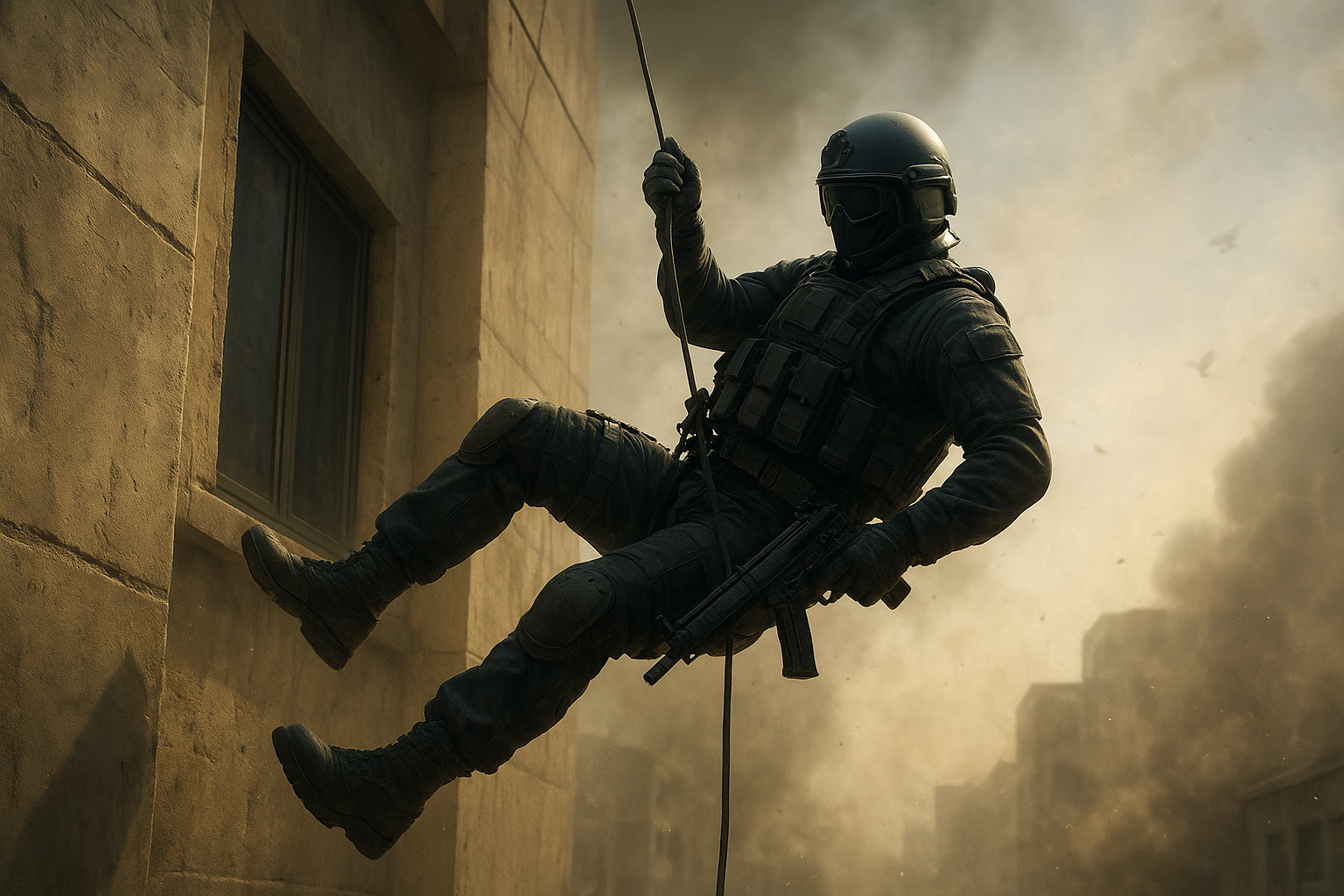
Evolution of Rainbow Six Siege: A 10-Year Comparison Table
| Category | Early Siege (2015–2017) | Mid-Era Siege (2018–2022) | Siege X & Modern Siege (2023–2025+) |
| Gameplay Identity | Tactical, slower-paced, experimental but unrefined | Strong tactical identity, clear meta, deeper operator roles | Modernized tactical play with updated systems, smoother pacing, optional 6v6 mode |
| Operator Pool | Limited roster; simple gadget interactions | Large, diverse roster; deeper counterplay and synergy | Largest roster yet, improved balancing tools, refined gadget systems |
| Maps & Level Design | Iconic maps but sometimes unbalanced | Major map reworks and competitive tuning | Polished reworks, visual upgrades, more intuitive layouts |
| Technical Performance | Frequent server issues, rough netcode | Stability improves; matchmaking and hit-reg noticeably better | Further upgrades, enhanced engine performance, improved consistency |
| Content Updates | Small seasonal drops; foundational issues persist | Faster updates, themed seasons, major events | Siege X overhaul, new modes, expanded progression, ongoing seasonal support |
| Graphics & Audio | Basic visuals, functional audio design | Graphic improvements and clearer sound cues | Full visual refresh, sharper lighting, modern audio tech |
| Anti-Cheat & Security | Basic protection, frequent complaints | Heightened anti-cheat focus, more aggressive ban waves | ShieldGuard enhancements, behavioral detection, community transparency |
| Community Engagement | Small but dedicated, growing slowly | Exploding creator scene, esports expansion, strong online culture | Massive free-to-play influx, more communication with devs, wider player skill spectrum |
| Accessibility for New Players | Steep learning curve, little guidance | Better tutorials, more onboarding systems | New-player paths, simplified learning tools, clearer UI and operator descriptions |
| Overall Player Experience | Fun but inconsistent; potential overshadowed by flaws | Balanced, feature-rich, community-driven | Modern, polished, evolving – best version for long-term sustainability |
Siege X and the Era of Modernization
Graphics Overhaul, 6v6 Mode & The New Free-to-Play Chapter
When Siege X arrived, It brought sleeker visuals, rebalanced systems, and a new 6v6 mode that gave matches a punchier pace.
Some veterans raised eyebrows. Some newer players jumped in excitedly. But that’s the nature of big updates – they shake the table on purpose.
Going free-to-play was another big swing. It cracked Siege open to millions who never touched it before, and it’s hard to deny that the energy returned. And hey, if you want to avoid these newcomers and play with people at your speed, just get an R6 Siege rank boost, easy-peasy!
Anti-Cheat Improvements and Player Trust
No shooter escapes cheaters, but Siege’s battle with them has been… intense. With the new anti-cheat tools, especially in the Siege X era, Ubisoft started pushing harder against bad actors. It’s not perfect, but players have noticed improvements.
Trust isn’t rebuilt overnight, but Siege seems determined to earn it back piece by piece.
What Other Games Can Learn From Siege’s Longevity
Evolving Without Eroding Your Core Identity
Siege changed a lot in 10 years – but it never stopped being Siege. The heart of the game is still there:
- Intel matters more than aim alone
- Destruction changes every round
- Teamwork makes or breaks you
Other games sometimes lose themselves chasing trends. Siege survived because it built on its strengths instead of replacing them.
Listening (Actually Listening) to Your Community
Players don’t expect perfection – they expect involvement. Siege kept adjusting based on community feedback. Not always quickly, not always flawlessly, but often enough to matter.
That dialogue kept players from drifting away.
FAQs
Has the game become too complicated for new players?
It’s deep, sure, but the onboarding tools are better today than ever. Newcomers actually have an easier start than they did years ago.
Is there a way to speed up ranking progress?
Yes! Many players get an R6 Siege rank boost because it saves time, reduces frustration, and lets you enjoy higher-level matches without the usual grind.
Is Ubisoft still updating the game regularly?
Yep. Siege continues receiving seasonal updates, operator tweaks, balancing passes, and quality-of-life changes.
Wrapping Up
Most games would be done and forgotten in the span of 10 years; however, it seems Rainbow Six Siege can only continue to grow stronger as time moves on. Whether you’re an old-school Siege fan or a newcomer, You can tell the game is filled with years upon years of love from the developers, all culminating in what it is today.
And honestly? After a decade of breaches, clutches, misplays, flawless rounds, and “who reinforced that wall?” moments… it feels like Siege still has stories left to tell.