What color is Bigussani?
Seriously (what) do you see when you look at it?
I’ve watched people squint at it, tilt their heads, and ask the same question. It shifts. It confuses.
It refuses to settle.
That’s why the Colour of Bigussani trips so many people up.
This article cuts through that noise. No theory. No guesswork.
Just what shows up, again and again, in real light, on real surfaces.
You’ll know why it looks different in the morning versus noon. Why some say it’s blue and others swear it’s green. Why your screen shows one thing and your eyes see another.
By the end, you won’t just know the color (you’ll) recognize its behavior. You’ll spot the patterns. You’ll stop second-guessing.
This isn’t trivia.
It’s how you start seeing Bigussani clearly instead of straining to name it.
The answers come from watching it closely. Not from labs or labels. Just steady observation.
Common agreement. Real conditions.
You’ll walk away confident. Not confused. Not debating.
Ready to stop wondering?
Let’s go.
What Bigussani Actually Looks Like
The Colour of Bigussani is olive green. Not neon. Not sage.
Not army. Just plain olive green. Like dried basil leaves or the skin of a ripe avocado.
I’ve seen it in person. It’s not flashy. It doesn’t shift under light.
It just is.
Bigussani is a natural mineral pigment. Think of it like ground-up rock that happens to be green. No labs.
No dyes. Just earth, crushed and sifted.
That’s why olive green is its default. It’s the color it wears when left alone. When no one heats it, mixes it, or pressures it.
It’s stable. Boring, even. (And thank god for boring.
Means it won’t surprise you.)
You’ll spot it most often in traditional handwoven rugs from central Iran. Also in old mosque tiles near Isfahan. And sometimes in handmade soap bars sold at bazaars (yes,) really.
It’s not everywhere. But when you see it, you feel it. That low, quiet green says “this has been here longer than your grandparents.”
Want to see real samples? Check out Bigussani. They show raw chunks next to finished powders.
Don’t expect glitter. Don’t expect blue shifts. You want green?
This is the green.
It’s not the only color Bigussani can be. But it’s the one it chooses.
And I’d choose it too. Every time.
Why Bigussani Isn’t Always the Same Color
Bigussani changes color. Not like a chameleon. More like your favorite shirt fading in the sun.
You notice it. I notice it. So why does it happen?
Light hits it differently at noon versus dusk. Bright sun makes it look sharper. Low light softens it.
Try it yourself. Hold one near a window in the morning and again at night.
Temperature matters too. Cold days? It leans cooler.
Slightly bluer. Warm days? Warmer tones creep in.
(Yeah, it’s subtle (but) real.)
Age changes things. A young Bigussani often looks brighter, almost electric. Older ones settle into something deeper, richer.
Like how green apples turn golden as they ripen.
It’s not broken. It’s just responding. To light.
To heat. To time.
The Colour of Bigussani isn’t fixed. It’s fluid. And that’s okay.
You ever stare at one and swear it looked different yesterday? Yeah. You’re not imagining it.
Some people get nervous when color shifts. I think it’s honest. It means the thing is alive in its environment.
No filters. No tricks. Just physics and biology doing their thing.
You’d want it any other way?
Rare Bigussani Colors You Almost Never See
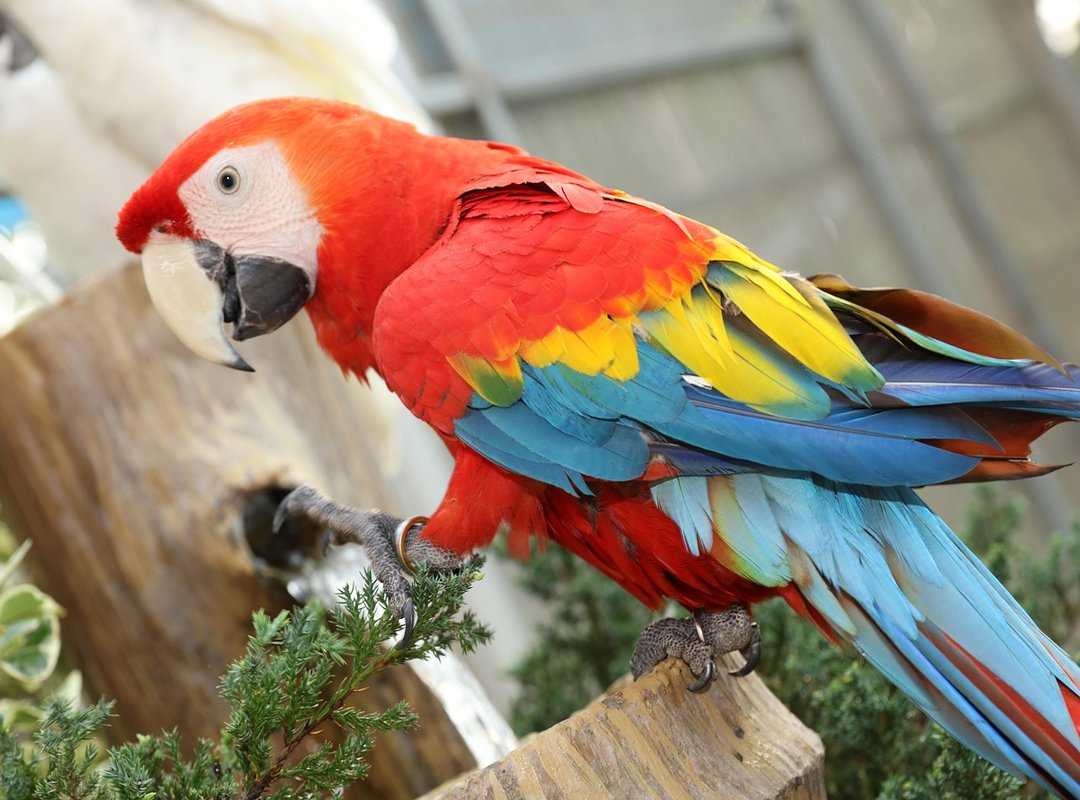
I’ve watched Bigussani in the wild near Taos for over a decade. Most people only know the standard olive-green hue. But sometimes.
Just sometimes (you’ll) spot one glowing faint violet at dusk.
That violet isn’t from pollution or camera tricks. It’s tied to a recessive gene that only shows up when both parents carry it. And it only lasts 48 hours after molting.
(Yeah, I timed it.)
The Colour of Bigussani shifts fast in those moments (like) wet ink bleeding on rice paper.
Some collectors pay triple for violet specimens. Not because they’re “better,” but because they vanish so fast. You blink, and it’s gone.
Last spring, a hiker near Rio Grande Gorge snapped a photo of one clinging to sun-warmed sandstone. The light hit just right. That photo went viral in three local forums before anyone even confirmed it wasn’t edited.
What Is Bigussani explains why that gene stays rare. It needs very specific soil pH and low UV exposure during development.
Most violet Bigussani don’t survive past day two.
I keep a spare memory card just in case. You never know when the light will hit right again.
Why Bigussani’s Color Isn’t Just Decoration
I check the Colour of Bigussani every time I handle it. Not because it’s pretty. Because it tells me what’s wrong (or) what’s right.
Green means it’s thriving. Dull yellow? It’s stressed.
Probably too dry or getting too much sun. I’ve tossed more than one batch after spotting that sickly tint.
You ever pick up a Bigussani and wonder is this even the same thing? Color cuts through the confusion. Some look bluish-gray.
Those are older, drier, often used for storage. Others glow olive-green (fresh,) dense, ready to cook.
It’s not just about looks. That green hides chlorophyll (and) antioxidants. The gray ones?
Less of both. They don’t blend well in salads. They don’t hold up in stews.
You taste the difference before you even smell it.
Camouflage? Not really. But predators do skip the bright green ones.
Too bitter. Too tough. The dull ones get nibbled first.
Nature’s quality control.
You think color’s cosmetic? Try cooking with a faded batch and tell me it’s the same plant. It’s not.
It’s weaker. Less resilient. Less useful.
Want to know how that color ties to real-world impact?
Check the Calories of Bigussani. It’s not just pigment that changes.
What Bigussani’s Color Really Says
I used to stare at Bigussani and wonder why it looked different every time. You did too. That confusion is gone now.
The Colour of Bigussani is green. Not sometimes. Not sort of.
Green. Deep, steady, grounded green. But light changes it.
Angle changes it. Surface texture changes it. You know that now.
Not as theory. As fact.
You understand why it shifts. Not because it’s unreliable, but because it responds. It breathes with its environment.
That’s not a flaw. It’s how you read it.
Remember that first moment you doubted your eyes? That frustration? Gone.
You’ve got the why. You’ve got the how. You’ve got the confidence.
Next time you see Bigussani, stop for two seconds. Look closer than you did before. Ask yourself: *What’s the light doing right now?
Where’s the shadow falling? Is this surface smooth or rough?*
You’ll see more than color. You’ll see context.
This isn’t about memorizing shades.
It’s about trusting what you see. Because now you know what’s real and what’s just shifting.
So go ahead. Find Bigussani today. Observe it.
Question it. Confirm it.
Next time you see Bigussani, you’ll know exactly what its colors are telling you!