Brand recall is all about how easily people can remember a brand when they think of a certain product or find themselves in a relevant situation. The stronger this memory, the more likely someone is to choose that brand when it comes time to buy.
Promotional products give brand recall a big boost. Digital ads pop up all over the place, but let’s be honest, most of them vanish from memory in a flash. A branded water bottle or tote bag is different – if you use it daily, you’ll see the logo again and again. It’s a reminder you can’t scroll past, and it’s literally in your hand (or slung over your shoulder).
It’s not just about being seen, either. When you use a company’s freebie, you might feel a small sense of connection or even gratitude. That can turn a simple giveaway into genuine brand loyalty, making promotional products a marketing staple that delivers far beyond a quick first impression.
The Science and Psychology Behind Brand Recall
Promotional products work their magic through some clever psychological tricks. Having a physical item—like a branded pen or reusable bag—means your brand is in front of people, not just popping up once on a screen. Every time someone grabs that pen or carries that bag, your logo gets noticed once more. That repeated familiarity helps your brand take up permanent residence in their memory.
There’s also something called the reciprocity effect. Basically, when you receive a gift, even a small freebie, you naturally want to give something back. That’s just how people are wired. So, when businesses hand out useful freebies, it nudges people to remember the brand—and sometimes nudges them closer to buying or having a positive interaction.
Physical promotional items wake up more senses than digital ads ever will. Digital promotions might catch your eye for a second, but a tote bag or pen you physically use sticks in your head longer. The feel of a pen in your hand or the weight of a bag on your shoulder brings that brand to life and firmly anchors it in your memory when you are deciding what to buy.
Comparing Effectiveness: Promotional Products vs Digital Ads
Put simply, promotional products have a knack for sticking in people’s minds in ways digital ads just can’t match. Digital banners and pop-ups may flash by a thousand times a day, but they’re usually forgotten almost as quickly as you see them. On the other hand, if someone gives you a branded pen, reusable water bottle or notebook, it keeps showing up in your day-to-day life. You’re reminded of the brand every time you jot something down or take a sip – and research backs this up: the average person hangs onto these giveaways for about eight months. That’s a lot of brand impressions.
Here’s another eye-opener: 85% of people remember the company behind a promotional product they receive. Now, compare that to the average click-through rate of digital ads, which sits at just 0.05%. It’s a huge difference in staying power.
Gifts like these also tend to spark a sense of goodwill. When someone gets something genuinely useful, they’re not just more likely to remember the brand; studies say 83% are more likely to actually do business with them in the future. In terms of building lasting consumer connections, physical freebies win hands down against fleeting digital ads.
Selecting the Right Promotional Products
Choosing the ideal promotional products starts with knowing what your audience actually values in day-to-day life. Do a bit of homework—chat with customers, run a quick poll, or check what’s trending in your industry. If your crowd is passionate about the environment, think about things like reusable bottles or shopping bags made from eco-friendly materials. If most of your customers are fans of tech, gadgets like branded USB drives or wireless phone chargers will go down a treat.
Money will always shape your options, but don’t fret if your marketing budget is tight. Luxurious items might steal the show, but affordable classics like pens, mugs or notebooks can be just as powerful because nearly everyone uses them. The real trick is making sure whatever you pick offers genuine usefulness. When people reach for your branded gear regularly, your business is right there in their thoughts.
If the items you hand out make life a little easier, people are more likely to see them as an actual gift—not just another piece of swag. That’s how you leave a good impression, and more importantly, keep your brand firmly lodged in their memory for the long haul.
Strategic Integration of Promotional Products in Marketing
Getting promotional products to work for your marketing means thinking smartly about how you give them out and where they’ll have the biggest effect. For example, trade shows aren’t just about business cards and firm handshakes anymore. They’re lively, jam-packed events where first impressions really count. Eye-catching, well-made giveaways—think reusable tote bags or fun tech gadgets—draw people to your stand and keep your brand in their minds long after they’ve moved on.
They’re just as valuable inside the workplace too. Handing out branded uniforms or thoughtful welcome gifts when new starters join lets employees feel included and valued from the off. It’s a small gesture, but it goes a long way for team spirit. Plus, your staff become walking adverts for your company both on and off the clock.
Then there’s the power of giving gifts to clients and partners. A well-chosen branded present isn’t just another freebie; it says thanks, builds trust, and could open the door to working together for years rather than weeks.
Used right, these strategies make branded products more than just throwaway swag. Instead, they become an essential part of a marketing plan that actually sticks with people—helping them remember your name when it really matters.
Measuring the Success of Promotional Product Campaigns
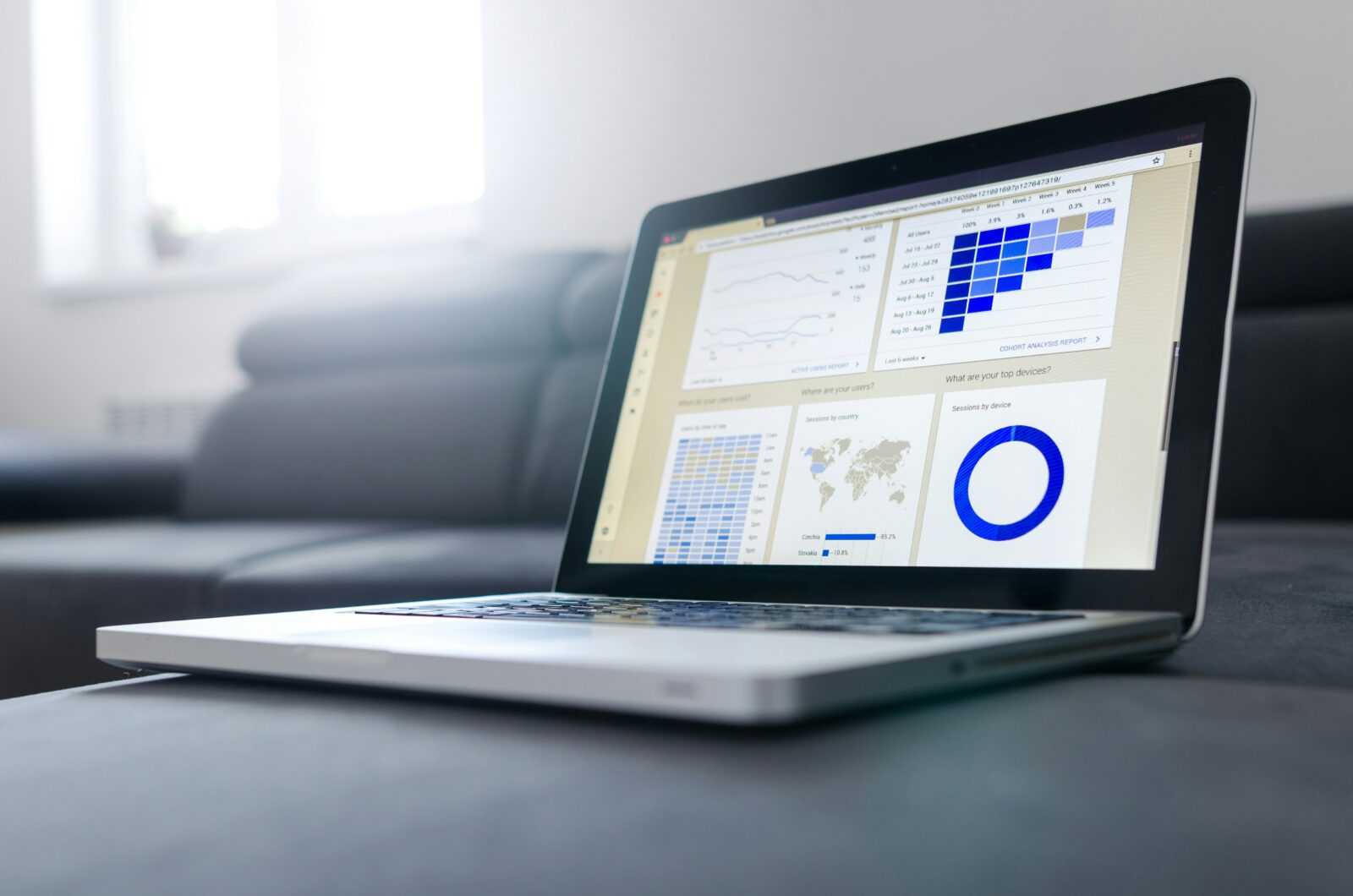
Knowing whether your promotional product campaign works is all about asking the right questions and digging into the results in a way that actually makes sense for your business. Start by clearly setting what you want to achieve. Is your main focus to get your company’s name out there, build stronger customer relationships, or drive more sales? Pinning down these aims helps you pick the right tools to see if your giveaways are truly moving the needle.
Once your goals are clear, get practical: compare the total cost of your promotional products with the increase in sales or new business directly linked to those giveaways. This is your most direct way to see if you’re getting your money’s worth. But there’s more to the story. For a deeper understanding of what makes promotional products so effective, pay attention to how many people actually see and use your product—called impressions. A simple calculation is to look at how often the item is used and how long people are likely to keep it.
Track key numbers: brand recognition (through short surveys or basic recall questions), customer engagement (such as likes, shares, tags, website visits, or responses from a QR code on the product), and actual sales growth during and after the campaign. With each of these, the goal is to find a clear link between your branded item and any positive change.
Here’s something worth noting: 85% of people remember the company behind a promotional item they’ve received. That kind of staying power shows how much impact the right product can have. Don’t forget to look out for changes in the way people talk about your brand, or shifts in habits after the freebies land in their hands. Learning from these insights helps you work out what’s working and where you might want to try something different next time.
Navigating Challenges and Future Trends
Promotional products come with their share of hurdles that businesses need to be mindful of if they want to make the most of their marketing spend. Relevance is key—offering the wrong item can be a flop, leaving your audience uninterested and your budget wasted.
Quality matters just as much. Poorly made goods can do your brand more harm than good, so it pays to pick products that reflect well on your business but don’t cost the earth. Striking this balance takes a bit of strategic thinking.
Environmental impact is another major concern that’s growing year by year. Both customers and companies care about how things are made and disposed of, so using recyclable or biodegradable materials, and making sure products are sourced ethically, is quickly becoming standard practice rather than a nice extra. Your choices here can make a real difference to your brand’s image.
Looking forward, the whole industry is likely to be shaken up by technology and changing preferences. Expect to see even more personalisation, from products featuring the recipient’s name to interactive experiences using things like augmented reality and smart packaging. These tweaks can transform a simple gift into something genuinely memorable.
There’s also a push towards products that can be reused, recycled, or given a new life, inspired by circular economy thinking. If businesses keep an eye on these trends and make meaningful changes to how they approach promotional items, they’ll not only keep their marketing fresh but also strengthen bonds with customers and boost brand loyalty. In this fast-changing market, keeping up with the new ideas is what will help brands stay ahead.